Stain Removal in Everyday Life: Practical Methods for Cleaner Fabrics, Surfaces, and Spaces
Stain removal is one of those household tasks that feels simple until you’re faced with a fresh coffee spill on a white shirt, a grease mark on the kitchen counter, or a mystery smudge on upholstery. The good news is that stain removal does not have to be stressful, expensive, or complicated. With the right approach, many stains can be lifted quickly before they become permanent. Whether you are dealing with fabric stain removal, carpet stain removal, or stain removal from hard surfaces, the key is to act fast, choose the right method, and avoid making the stain worse.
In homes, offices, rental properties, and commercial spaces, effective stain removal helps preserve appearance, reduce replacement costs, and improve hygiene. It also saves time in the long run because the right treatment can prevent discoloration from setting in. From food spills and ink marks to pet accidents and water rings, each stain type responds differently. That is why learning the basics of stain removal is so valuable.
Stain removal is not just about scrubbing harder. In fact, aggressive rubbing can push particles deeper into fibers or spread the stain over a larger area. Instead, a smart approach combines stain identification, proper cleaning agents, testing, and the right technique. In this article, we will explore proven stain removal methods, common mistakes to avoid, and practical tips that help keep fabrics, furniture, and surfaces looking fresh.
Understanding the Basics of Stain Removal
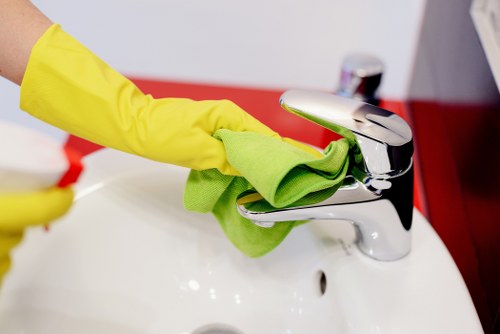
Every stain begins with a source, and understanding the source is the first step in successful stain removal. Some stains are water-based, such as juice, tea, or coffee. Others are oil-based, such as butter, makeup, and cooking grease. Protein-based stains, including blood, milk, and egg, require special care because heat can set them. Once you know the type of stain, you can choose a better stain removal method and reduce the chance of permanent damage.
Timing matters too. Fresh stains are far easier to remove than old ones. This is because particles have not fully bonded with fibers or porous surfaces. If you can begin stain removal immediately, blotting away excess liquid and treating the spot early often makes a dramatic difference. Even when a stain has dried, however, it is often still possible to improve or remove it with the right strategy.
It also helps to understand the surface involved. Stain removal on cotton is different from stain removal on silk, wool, carpet, laminate, granite, or painted walls. A cleaner that works perfectly on a sturdy towel may damage delicate upholstery or strip the finish from a countertop. That is why stain removal should always begin with surface awareness, stain identification, and a gentle first attempt.
Stain Removal for Clothes and Fabrics
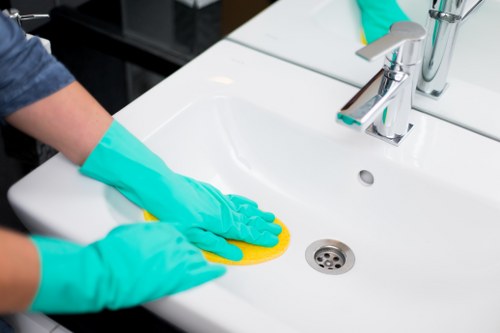
Clothing is one of the most common places where stain removal becomes necessary. Shirts, jeans, uniforms, towels, and bed linens all encounter everyday spills. For fabric stain removal, start by blotting, not rubbing. Use a clean cloth or paper towel to absorb as much as possible before applying any cleaning solution. Blotting helps lift liquid away from the fibers without spreading it further.
For general fabric stain removal, mild liquid detergent mixed with cool water is a reliable starting point. Apply the solution to the affected area and let it sit for a few minutes before rinsing. For tougher marks, you may need a stain remover specifically designed for fabrics. Always check the care label and test a small hidden area first. This is especially important for colored garments, delicate materials, and blends.
Some common fabric stains respond well to targeted methods. Coffee and tea stains often lift with detergent and cool water. Oil stains may benefit from a small amount of dish soap because it helps break down grease. For ink stains, careful blotting with rubbing alcohol can sometimes help, but caution is essential. Protein stains should be treated with cold water first, because hot water can make them harder to remove. Effective stain removal is always about matching the treatment to the stain.
Helpful fabric stain removal steps
- Blot excess liquid immediately.
- Rinse with cool water when appropriate.
- Use a suitable stain remover or gentle detergent.
- Test products on hidden fabric first.
- Repeat treatment before machine drying if needed.
One important rule in stain removal is to avoid heat until the stain is gone. Dryers, irons, and hot water can lock certain stains into the fibers. If the mark remains after washing, treat it again before drying. This simple habit prevents many “temporary” stains from becoming permanent clothing problems.
Stain Removal in Kitchens and Food Prep Areas

The kitchen is a hotspot for stain removal challenges because food, grease, sauces, spices, and beverages are constantly in motion. Countertops, cabinets, sinks, stovetops, and floors can all show spots quickly. A strong kitchen stain removal routine should focus on quick cleanup, surface-safe cleaners, and regular maintenance. The faster a spill is handled, the easier it is to restore a clean look.
Grease is one of the most stubborn kitchen issues. For light grease marks, warm water and dish soap often work well on washable surfaces. On walls or painted surfaces, use a soft cloth and avoid over-wetting. For tile grout and textured areas, a soft brush can help lift residue. The goal of stain removal in kitchens is to remove buildup without damaging finishes or pushing liquid into seams.
Food stains vary widely. Tomato sauce, turmeric, wine, and berry stains can leave strong color behind. These require careful attention because some pigments bond quickly with porous materials. Blot first, then apply a suitable cleaner in stages rather than using too much at once. If needed, repeat the process several times. In many cases, patient stain removal works better than a harsh single attempt.
Kitchen surfaces that need extra care
- Natural stone countertops such as marble or granite
- Wood cabinets and trim
- Painted walls and backsplashes
- Grout lines and sealant joints
- Appliance handles and control panels
For porous kitchen materials, stain removal should always be gentle. Avoid acidic cleaners on sensitive stone, and do not use abrasive pads on polished finishes. Choosing the wrong product can create dull spots or etching that is harder to repair than the original stain. A careful cleaning routine protects both appearance and long-term value.
Stain Removal for Carpets, Rugs, and Upholstery

Carpet and upholstery stain removal requires a balance between speed and caution. These materials absorb liquids quickly, which makes stains harder to remove if they are left untreated. The best first step is to blot up as much of the spill as possible using a white cloth. Using a white cloth helps avoid transferring dye onto the material during stain removal.
For carpets, a mild cleaning solution is often effective when used lightly. Spray or dab the solution onto the stain rather than soaking the area. Excess moisture can spread the stain deeper or damage the padding beneath. After treatment, blot again with a dry cloth and allow the area to air dry. If the stain persists, repeat the process carefully.
Upholstery stain removal depends on the fabric type. Some materials can tolerate water-based cleaners, while others require solvent-based products. Always check the manufacturer’s instructions before applying any cleaning agent. For furniture, too much liquid can leave water rings or cause fabric distortion, so controlled application is essential. A measured stain removal approach keeps the piece looking clean without over-wetting it.
Common carpet and upholstery stains
- Food and beverage spills
- Pet accidents
- Mud and dirt
- Ink and dye transfer
- Oil and lotion marks
Odors can be part of the stain problem, especially with pet accidents. In these cases, stain removal should address both the visible mark and the smell. Enzymatic cleaners are often effective because they break down organic material rather than simply masking it. That makes them especially useful in carpet stain removal and upholstery stain removal tasks.
Stain Removal for Bathrooms and Hard Surfaces
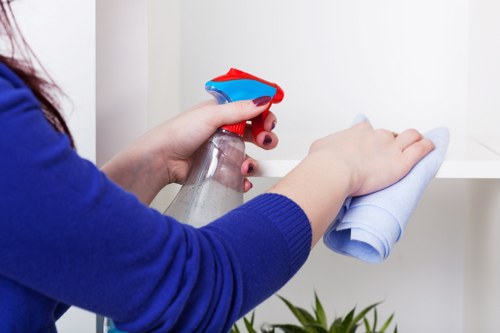
Bathrooms present another set of stain removal issues, including soap scum, mineral deposits, mildew-related discoloration, and makeup stains. Hard surfaces like sinks, tubs, tiles, mirrors, and fixtures often need routine attention to stay bright and sanitary. In these areas, stain removal is as much about prevention as it is about cleaning. Regular wiping can reduce buildup before it becomes difficult to remove.
Soap scum and hard water stains can appear on glass, tile, and fixtures when minerals collect over time. For many of these spots, a non-abrasive cleaner and a microfiber cloth work well. If deposits are stubborn, allow the product to sit for a few minutes before wiping. This gives the cleaner time to loosen the residue, making stain removal easier and reducing the need for scrubbing.
Bathroom surfaces are often made from a mix of materials, including ceramic, chrome, glass, plastic, and sealed stone. Because of that, stain removal should be customized. A product that is safe for tile may be too strong for natural stone, while a gentle bathroom spray may not fully handle mineral deposits. Reading labels and testing first are smart habits that prevent damage.
Practical bathroom stain removal tips
- Wipe moisture away after use to reduce buildup.
- Use soft cloths to avoid scratching shiny surfaces.
- Choose cleaners designed for the specific material.
- Address mildew and soap residue early.
- Rinse thoroughly after cleaning to avoid film.
For sinks and tubs, stain removal works best when done regularly rather than waiting for heavy buildup. Small, frequent cleanups are easier, safer, and more effective than aggressive deep cleaning later. This is especially true in shared bathrooms or busy households where stains can accumulate quickly.
Natural vs. Commercial Stain Removal Methods
People often ask whether natural products are better than commercial cleaners for stain removal. The answer depends on the stain, the surface, and the level of buildup. Natural options like vinegar, baking soda, and lemon juice can be useful for certain jobs, especially light stains and routine maintenance. However, they are not ideal for every situation, and they can sometimes be too acidic or too mild for specific surfaces.
Commercial stain removal products are usually formulated for targeted performance. Some are designed for laundry stains, others for carpet spots, grease, ink, or hard water deposits. These products can save time and deliver stronger results, but they should be used carefully according to instructions. The right stain removal product can make a major difference, but the wrong one may damage materials or leave residue.
A balanced approach often works best. For example, you might use a gentle household solution for a fresh spill and reserve specialty products for more stubborn issues. In many cases, stain removal is most successful when you combine immediate cleanup, mild pre-treatment, and a second pass if needed. This flexible strategy is practical, economical, and easy to repeat.
When to choose each method
- Natural methods: good for light stains, maintenance, and delicate everyday cleaning.
- Commercial cleaners: useful for stubborn, set-in, or specialized stains.
- Professional treatment: best for valuable fabrics, antique items, or severe discoloration.
Whatever method you choose, always prioritize material safety. Stain removal should improve the item, not compromise it. If the stain is on something valuable or delicate, conservative treatment is the safest first move.
Common Stain Removal Mistakes to Avoid
Even well-meaning cleaning efforts can go wrong. One of the biggest mistakes in stain removal is rubbing the stain aggressively. Rubbing can spread the stain, damage fibers, or grind particles deeper into the surface. Another common error is using too much cleaner. Oversaturation can create rings, residue, or hidden moisture problems.
Using the wrong water temperature is another frequent issue. Hot water can set protein stains and some dye-based stains, while cold water may be more suitable in the early stages. It is also a mistake to dry an item before confirming the stain is gone. Heat from a dryer or iron can lock the stain in place, making stain removal much harder later.
Failure to test products is also risky. A cleaner that works on one fabric or finish may discolor another. That is why a small hidden test area is one of the simplest ways to protect your belongings. Careful stain removal is less about force and more about smart decision-making.
Top mistakes that reduce success
- Rubbing instead of blotting
- Using too much product
- Applying heat too early
- Ignoring care labels
- Skipping a test patch
When in doubt, start gently. You can always repeat stain removal steps, but it is much harder to undo damage caused by harsh treatment. A slower approach often produces a better outcome.
Preventing Future Stains
Prevention is one of the smartest ways to reduce the need for stain removal. Simple habits like wiping spills immediately, using coasters, and keeping cleaning cloths nearby can make a noticeable difference. In kitchens, bathroom routines, and dining areas, quick response is often the best defense against permanent marks.
Protective products can also help. Fabric sprays, upholstery protectors, washable mats, and surface sealants can reduce the likelihood of staining. These are especially useful in high-traffic areas, homes with children, and spaces where spills are common. While no protection is perfect, it can buy time and make stain removal easier if an accident does happen.
Regular maintenance matters too. Vacuuming carpets, laundering linens promptly, and cleaning surfaces before buildup forms all help reduce long-term staining. Over time, these habits save money and effort because they prevent deep-set discoloration. In other words, better prevention means less stressful stain removal later.
Prevention habits that help every day
- Act fast when spills happen.
- Use protective covers or mats where needed.
- Clean high-touch areas regularly.
- Follow care instructions for fabrics and surfaces.
- Keep basic stain removal supplies accessible.
When prevention is part of your routine, stains are easier to handle and less likely to become permanent problems. That is one reason stain removal works best as a habit, not just an emergency response.
When Professional Stain Removal Makes Sense
Some stains are simply too stubborn, too large, or too risky to treat at home. In those cases, professional stain removal may be the safest and most effective choice. This is especially true for delicate fabrics, expensive rugs, upholstered furniture, and materials that have already been damaged by incorrect cleaning attempts.
Professionals often have access to specialized tools, stronger but controlled cleaning agents, and experience with difficult stain types. They can identify the stain more accurately and choose a treatment method that protects the item. For set-in stains, odor problems, or repeated failed attempts, professional stain removal can save both time and frustration.
It is also smart to seek help when the item has sentimental or financial value. Wedding garments, heirloom textiles, designer upholstery, and premium carpets deserve cautious handling. In these cases, the cost of expert stain removal may be far lower than the cost of replacement or restoration after a mistake.
Situations where expert help is worth it
- Delicate or luxury fabrics
- Large carpet or upholstery stains
- Unknown stains that have set in
- Items damaged by previous cleaning attempts
- Odors that remain after DIY treatment
If you are unsure, it is often wise to pause and evaluate the item first. Stain removal should improve the condition of the item, not create new problems. For difficult cases, expert help can be the most practical next step.
Final Thoughts on Effective Stain Removal
Stain removal becomes much easier when you understand the stain, the surface, and the safest cleaning method. Whether you are working on clothing, carpets, kitchen counters, bathroom fixtures, or furniture, the same core principles apply: act quickly, test products, blot rather than rub, and avoid heat until the stain is gone. These habits make stain removal more effective and help protect the items you care about.
Consistency is just as important as technique. A small spill treated immediately is often far easier to remove than a stain left for days or weeks. With the right routine, you can handle most everyday stains confidently and keep your home or workspace looking fresh. From laundry stain removal to hard surface cleaning, a thoughtful approach saves time and improves results.
If you are facing recurring stains or want cleaner results with less stress, now is the perfect time to take action. Book your service now or Contact us today to get support with stubborn stain removal needs and keep your space looking its best.