Pet Stain Odour Removal: How to Eliminate Pet Smells and Restore a Fresh Home
Pet owners know the joy animals bring to a home, but they also know the frustration of stubborn accidents, lingering smells, and discolored carpets or upholstery. Pet stain odour removal is not just about masking a bad smell; it is about identifying the source, breaking down the residue, and preventing the problem from returning. Whether the issue is urine on carpet, vomit on a sofa, or a hidden stain under a rug, the right approach can make a dramatic difference.
When pet accidents happen, many people act quickly with soap and water, only to discover the smell returns later. That happens because pet stains often soak below the surface and leave behind odor-causing compounds. Effective pet stain odour removal requires more than surface cleaning. It calls for the right products, proper technique, and a clear understanding of how stains interact with different materials.
In this article, we will explore the causes of pet odors, practical cleaning methods, home remedies, prevention strategies, and when professional help may be the best option. If you are dealing with recurring smells, lingering stains, or a home that no longer feels fresh, this information can help you take control and restore a cleaner, healthier living space.
Why Pet Stains Smell So Strong
Pet stains are especially difficult because they are often made up of more than one substance. Urine, for example, contains bacteria, ammonia, and uric acid crystals. As the moisture evaporates, those crystals remain embedded in fibers, padding, grout, or wood. This is why the odor can come back on humid days or when the area gets warm.
Different pets also create different types of stains. Dog urine may spread deeply into carpet backing, while cat urine is particularly pungent due to its high concentration. Vomit, feces, and saliva can all leave behind unpleasant odors too, especially if they are not removed promptly. Pet stain odour removal becomes more challenging when a spill is left untreated or cleaned with the wrong product.
In many cases, the smell you notice is not simply from the visible stain. It may be caused by contamination in the underpad, subfloor, cushion stuffing, or nearby wall baseboards. This is why a simple spray fragrance often fails. To fully address pet stain odour removal, you need to neutralize the source rather than cover it up.
First Steps After a Pet Accident
The sooner you respond, the better the results. Fresh stains are much easier to treat than old ones that have fully dried and set. If the area is still wet, blot it gently with paper towels or a clean absorbent cloth. Avoid rubbing, because that can push the liquid deeper into fibers and spread the stain further.
Next, remove any solid material carefully with gloves and a disposable scoop or paper towel. Once the excess is cleared, identify the type of surface you are cleaning. Carpet, tile, hardwood, fabric, and mattresses each require a slightly different approach. The best pet stain odour removal method depends on the material and how deeply the stain has penetrated.
It is also important to avoid products that can make the problem worse. Bleach, ammonia-based cleaners, and heavy perfume sprays may create stronger odors or encourage repeat accidents. Many pet odors are best handled with enzyme-based cleaners that break down the organic material causing the smell.
How to Remove Pet Stain Odours from Carpet
Carpet is one of the most common places for pet stains because it absorbs moisture quickly. The key to successful pet stain odour removal on carpet is to treat both the surface fibers and what lies beneath them. Start by blotting up as much moisture as possible. Then apply a pet-safe enzymatic cleaner according to the label instructions.
Allow the cleaner to sit for the recommended dwell time so the enzymes can break down odor-causing compounds. After that, blot again or use a wet vacuum if appropriate. For stubborn smells, you may need to repeat the treatment more than once. Deep-set odors often require multiple rounds before they disappear completely.
A simple home solution can sometimes help with light stains. A mixture of white vinegar and water may reduce odor temporarily, and baking soda can help absorb lingering smells after the area dries. Still, for strong or repeated accidents, a specialized carpet cleaner is usually more effective. The goal of pet stain odour removal is not just freshness on the surface, but lasting odor elimination.
Helpful Carpet Cleaning Tips
- Blot instead of scrubbing.
- Use cool or lukewarm water, not hot water.
- Test any cleaner on a hidden area first.
- Dry the area thoroughly to discourage mildew.
- Repeat treatment if the smell remains after drying.
Pet Stain Odour Removal on Upholstery and Fabric
Sofas, chairs, cushions, and fabric bedding can trap smells just as easily as carpet. Because upholstery varies widely in texture and fill, you should always check the care label before applying any cleaning solution. Some materials tolerate moisture better than others, and delicate fabrics may require a gentler touch.
For washable cushion covers, remove them if possible and treat the stain before laundering. For non-removable fabric, use a pet-specific cleaner designed for upholstery. Spray lightly, let it sit, then blot with a clean cloth. Avoid soaking the item, since excess moisture can damage cushions and worsen odors hidden inside the padding.
If the smell persists, consider using an upholstery extractor or hiring a specialist. Pet stain odour removal on fabric often requires drawing the odor out from the interior layers, not just cleaning the top layer. For mattresses, the same principle applies: blot thoroughly, use a safe odor neutralizer, and make sure the area dries completely before use.
Best Practices for Upholstery Care
- Check fabric codes before cleaning.
- Use minimal liquid to prevent saturation.
- Work from the outside of the stain inward.
- Dry with fans or open windows when possible.
- Do not use heat until the smell is fully gone.
Removing Pet Odours from Hardwood, Tile, and Grout
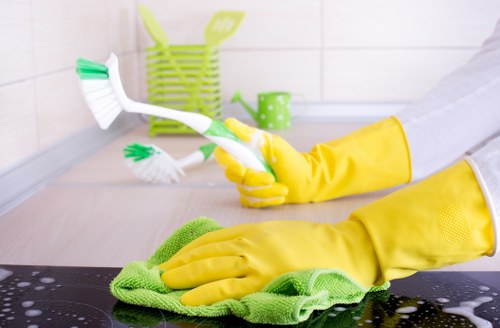
Hard surfaces may seem easier to clean, but pet stains can still seep into seams, cracks, and grout lines. On hardwood floors, liquid can penetrate the finish and reach the wood beneath. On tile, the main concern is usually the grout, which is porous and can absorb strong odors. Effective pet stain odour removal on hard surfaces begins with fast cleanup and careful product selection.
For finished hardwood, wipe up the mess immediately using a damp cloth and a hardwood-safe cleaner. Do not let water sit on the floor. For tile and grout, use a pH-neutral cleaner or a pet odor remover formulated for porous surfaces. A soft brush can help lift residue from grout lines without scratching the tile.
If odors have settled into damaged or unfinished wood, a surface cleaner may not be enough. In these cases, sanding and refinishing may be necessary. The same applies to heavily contaminated grout or caulking. When pet accidents happen repeatedly in the same area, deeper restoration may be the only lasting solution. That is why pet stain odour removal should be handled quickly and thoroughly.
Home Remedies That Can Help
Many homeowners want natural options before turning to stronger products. Several household ingredients can support pet stain odour removal when used correctly. While these methods may not solve severe contamination, they can be useful for minor accidents or as a first response.
White vinegar is widely used because it helps neutralize alkaline odors and cuts through residue. Baking soda is another common choice because it absorbs smells well once the area is dry. Hydrogen peroxide may help with some stains, but it should be tested carefully because it can discolor certain fabrics and surfaces.
Here is a simple method for a fresh carpet accident:
- Blot the area thoroughly.
- Mix equal parts white vinegar and water.
- Lightly apply the solution to the stain.
- Blot again after a few minutes.
- Sprinkle baking soda over the area once dry.
- Vacuum after the baking soda has sat for several hours.
Always remember that home remedies work best on fresh stains. If the smell has soaked deep into padding or subflooring, stronger pet stain odour removal methods may be necessary.
Why Enzyme Cleaners Work So Well
Enzyme cleaners are among the most effective products for pet stain odour removal because they target the organic compounds in urine, feces, and vomit. Instead of masking the smell, the enzymes help break down the material into smaller components that can be cleaned away more easily. This makes them especially useful for stains that have not been fully removed by standard cleaners.
These products are popular for carpets, fabrics, pet beds, litter areas, and even some hard surfaces. The key is giving the cleaner enough time to work. Rinsing too soon or wiping it away immediately can reduce its effectiveness. Most enzyme formulas need to stay damp on the affected area for a period of time so the biological action can occur.
If you are shopping for a solution, look for labels that mention odor neutralization, enzymatic action, or bio-enzymatic cleaning. A quality product can make a major difference in pet stain odour removal, especially when the accident has happened more than once or has been ignored for a while.
What to Look for in a Cleaner
- Pet-safe ingredients
- Odor-neutralizing performance
- Compatibility with the surface type
- Clear instructions for dwell time
- No harsh bleach or ammonia smell
How to Prevent Pet Odours from Returning
Once you have cleaned a stain, the next step is keeping the smell from coming back. Prevention is a huge part of long-term pet stain odour removal. Even a fully cleaned area may attract your pet again if scent traces remain. That is why odor elimination must be thorough.
Regular vacuuming, immediate spill response, and routine washing of pet bedding all help reduce buildup. If your pet has frequent accidents, consider whether there is an underlying health issue or a training problem that needs attention. Sometimes the best odor solution is not just cleaning but also addressing the cause.
You can also reduce future problems by using washable covers, waterproof mattress protectors, and area rugs that are easier to clean. Keep cleaning supplies on hand so you can act quickly. When accidents happen, fast response is one of the most important habits for successful pet stain odour removal.
Common Mistakes to Avoid
Many people unknowingly make odor problems worse by using the wrong products or methods. One of the biggest mistakes is scrubbing aggressively, which can push the stain deeper and damage the material. Another common error is using ammonia-based cleaners, which can smell similar to urine and may encourage pets to mark the same spot again.
It is also a mistake to assume the stain is gone just because it is no longer visible. Odors can remain hidden in carpet padding, upholstery foam, or floor seams. If the smell returns after the surface dries, the contamination probably remains underneath. True pet stain odour removal means treating the entire affected area, not only the visible spot.
Other mistakes include over-wetting the area, skipping drying time, and using products without checking their suitability for the surface. A little caution goes a long way, especially when cleaning valuable flooring or furniture. Choosing the right method saves time, money, and frustration later.
When Professional Pet Stain Odour Removal Makes Sense
Sometimes a stain is too deep, too old, or too widespread for DIY treatment. Professional cleaning can be the best choice when odors persist despite repeated efforts. Technicians may use specialized extraction tools, deep-cleaning solutions, and targeted odor treatments that reach beneath the surface.
Professional pet stain odour removal is especially useful for severe carpet contamination, recurring cat urine problems, soaked padding, or stains that have reached hardwood subfloors. Experts can identify whether the damage is limited to the surface or whether deeper restoration is needed. This can save a great deal of guesswork and prevent further damage from repeated home treatments.
If your home has multiple affected areas, professional service can also help you create a more practical long-term solution. The right treatment can improve indoor air quality, restore comfort, and make your home feel fresh again. For difficult cases, book your service now and take the next step toward a cleaner space.
Creating a Long-Term Clean Home for Pets and People
A clean home and a pet-friendly home do not have to conflict. With the right habits, you can enjoy both. Consistent cleaning, smart prevention, and quick response are the foundation of lasting pet stain odour removal. The more proactive you are, the less likely odors are to settle in and spread.
Make it a routine to check high-risk areas such as litter box zones, puppy training spots, pet beds, and favorite resting places. If you notice a recurring odor, treat it promptly before it becomes a deep-set issue. A home that smells fresh is more comfortable for family members, guests, and pets alike.
Whether you are dealing with a recent accident or an old stubborn odor, the right method can make a noticeable difference. From enzyme cleaners to professional extraction, there are many effective ways to handle the problem. If your space needs a reset, contact us today and take action toward a fresher, healthier environment.
Final Thoughts
Pet accidents are part of life with animals, but lingering smells do not have to be. By understanding how odors develop and choosing the right cleaning method, you can successfully manage pet stain odour removal in carpets, upholstery, rugs, mattresses, tile, and hardwood. The key is to clean quickly, use the right products, and treat the source of the odor instead of covering it up.
With a solid plan, you can keep your home looking clean and smelling fresh while continuing to enjoy life with your pets. Whether you handle the cleanup yourself or rely on professional help, consistent care makes all the difference.