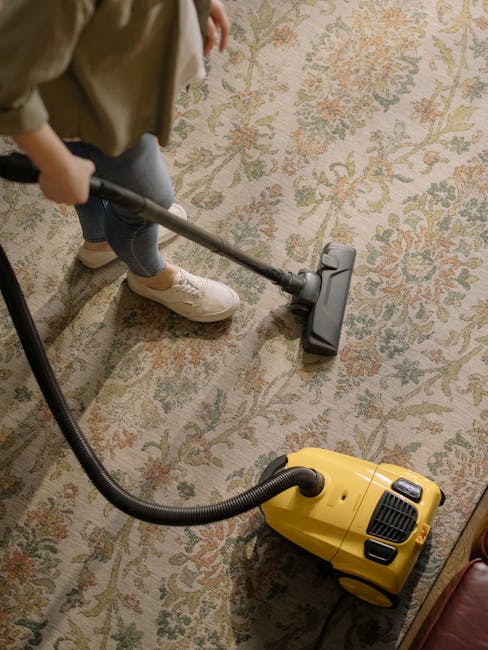
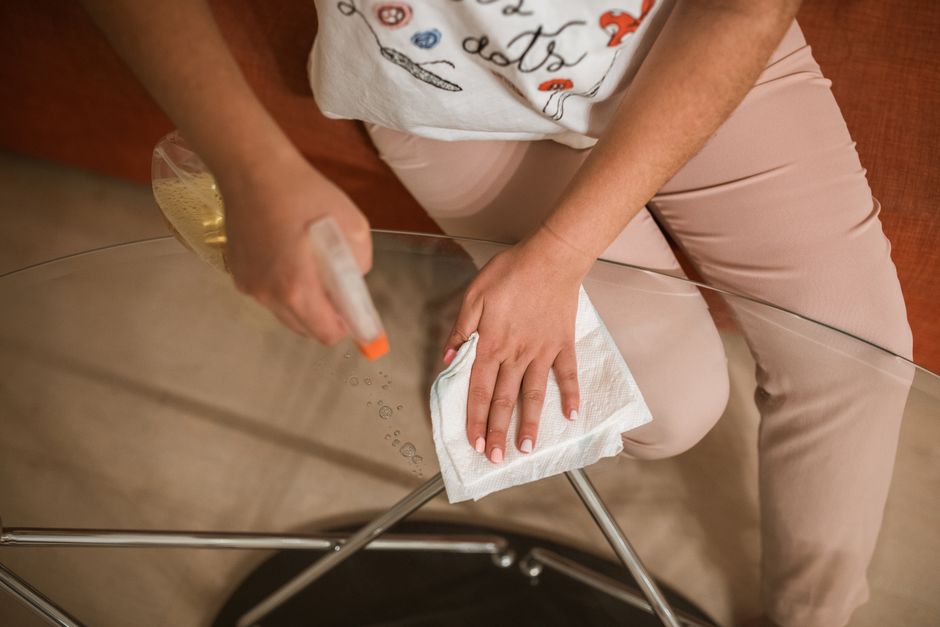
Sloane Square upholstery cleaning and stain removal Chelsea
If you live or work around Sloane Square, you already know the pace of the place: busy mornings, elegant interiors, guests dropping by at short notice, and furniture that has to look presentable all the time. That is exactly why Sloane Square upholstery cleaning and stain removal Chelsea matters. Sofas, armchairs, dining chairs, headboards and other upholstered pieces collect everyday grime quietly, then one day a red wine mark, coffee splash or pet accident makes the problem impossible to ignore. The good news? With the right approach, most fabric and stain issues can be managed well without harsh guesswork.
This guide explains how upholstery cleaning and stain removal work in a Chelsea setting, what to expect, what to avoid, and how to choose sensible next steps. It is practical rather than flashy. To be fair, that is what people usually need most.
For readers comparing services, it can also help to look at related options such as professional upholstery cleaning, targeted stain removal, and, if your furniture includes soft furnishing items like drapes, curtain cleaning.
Contents
- Why Sloane Square upholstery cleaning and stain removal Chelsea Matters
- How Sloane Square upholstery cleaning and stain removal Chelsea Works
- Key Benefits and Practical Advantages
- Who This Is For and When It Makes Sense
- Step-by-Step Guidance
- Expert Tips for Better Results
- Common Mistakes to Avoid
- Tools, Resources and Recommendations
- Law, Compliance, Standards, or Best Practice
- Options, Methods, or Comparison Table
- Case Study or Real-World Example
- Practical Checklist
- Conclusion
- Frequently Asked Questions
Why Sloane Square upholstery cleaning and stain removal Chelsea Matters
Furniture is one of the first things people notice when they walk into a room. In a polished Chelsea home, a boutique office, a townhouse reception room or a short-let apartment, a stained sofa can undermine the whole feel of the space. It is not just about appearances either. Upholstery holds dust, skin particles, body oils, food residue, drink spills and, sometimes, odour. Over time, that build-up can make the fabric look tired and feel less fresh.
Sloane Square sits in a part of London where interiors often do double duty: stylish and heavily used. A dining chair in a family flat may be sat on all day. A velvet loveseat in a reception room may see occasional use but needs to look immaculate when it is used. That combination creates a real need for careful, fabric-aware cleaning, not rough treatment.
Stains matter because they rarely stay neat and predictable. A small tea mark can spread through the fibres. A grease spot can darken with heat. A pet accident can leave a visible stain and a lingering smell. If you leave those problems too long, they can become harder to lift and more likely to set. So yes, timing matters.
Expert summary: the best results usually come from two things working together: early stain control at home and a cautious, fabric-specific professional clean when the mark is beyond simple spot treatment.
If your furniture is part of a wider refresh, it can make sense to review other fabric care services too, such as sofa cleaning, rug cleaning, or even mattress cleaning for a bedroom deep clean.
How Sloane Square upholstery cleaning and stain removal Chelsea Works
Upholstery cleaning is not a one-size-fits-all job. Good cleaning starts with identifying the material, the construction, and the stain type. A cotton-blend armchair, for example, may tolerate a different method than a delicate linen, wool mix or velvet piece. And if the filling or stitching is vulnerable, you do not want to saturate it. That is where skill matters more than speed.
In a typical professional process, the cleaner will first inspect the item, test a small hidden area if needed, and decide on the safest method. That may involve low-moisture extraction, controlled agitation, spot treatment, deodorising, or a hand-cleaning approach for more sensitive fabrics. The aim is always the same: lift soil and reduce visible staining without damaging the textile.
Here is the plain-English version of what happens during stain removal:
- Identify the stain. Drink spill, grease, ink, makeup, food, mud, or pet mess each behaves differently.
- Check the fabric. Natural fibres, synthetics and delicate weaves all respond in their own way.
- Pre-treat carefully. The right solution is applied only where it is needed.
- Clean with control. Moisture, dwell time and agitation are managed to avoid spreading the mark.
- Extract and finish. Residue is removed as much as possible, and the fabric is left to dry properly.
That last part matters more than people think. If you leave upholstery damp for too long, you can end up with water marks, stiff patches, or a musty smell. Nobody wants a "cleaned" sofa that smells like an old cellar. Not really a win.
Some jobs also benefit from linked fabric care. For example, if the stain is part of a broader pet issue, pet stain and odour removal is often the more suitable route. If the same room has carpets that need attention too, carpet cleaning or steam carpet cleaning may be a practical follow-on.
Key Benefits and Practical Advantages
People often think of upholstery cleaning as cosmetic. It is that, but it is also more than that. In real life, a clean chair changes how a room feels. It can make a workspace more welcoming, a family home less cluttered visually, and a rental property easier to present well. Small improvement, big difference.
The main benefits are straightforward:
- Improved appearance: removed marks, fresher colour and a more cared-for finish.
- Better hygiene: reduced surface build-up, dust and everyday grime.
- Odour reduction: helpful when spills, pets or food smells linger in fibres.
- Longer furniture life: regular care helps prevent dirt from wearing the fibres down.
- Better first impressions: especially useful in hospitality, offices and client-facing spaces.
- More confidence at home: you stop covering things with throws and start using them properly again.
There is also a practical money angle. A well-cared-for sofa or armchair is usually worth keeping longer than replacing early. That is especially true for good-quality furniture, bespoke pieces, or items that suit the room perfectly. If the frame is sound and the upholstery is still structurally good, cleaning can be the sensible choice.
For businesses near Sloane Square, the benefits are even more obvious. Clients notice worn reception seating. Staff notice it too. A cleaner environment can be part of a broader facilities routine, alongside services like commercial carpet cleaning and regular spot treatment.
Who This Is For and When It Makes Sense
This service is for anyone dealing with fabric furniture that has lost its fresh appearance or picked up an annoying stain. That sounds obvious, but the real question is when you should act.
It makes sense if you are:
- a homeowner wanting to refresh a favourite sofa or dining chairs;
- a tenant preparing for an inspection or move-out;
- a landlord or letting agent aiming to present a property properly;
- a business owner with waiting-room seating or office soft furnishings;
- someone dealing with pet accidents, drink spills or food stains;
- the kind of person who notices one mark and then cannot unsee it. We have all been there.
Sometimes the signs are subtle. A room feels dimmer because the upholstery has darkened slightly. Or the armrests look shiny from skin contact. Or a chair smells a little stale after a rainy winter and a few too many coats draped over it. That is usually the point where a clean starts making sense.
It is also worth considering the fabric type. If you have delicate upholstery, antique pieces, or furniture with special finishes, a cautious approach is better than grabbing a random spray and hoping for the best. Truth be told, that is how more damage happens than people like to admit.
If your main concern is a specific mark rather than a full clean, a focused service such as stain removal may be the most appropriate first step.
Step-by-Step Guidance
If you are deciding what to do next, this simple step-by-step approach helps.
- Assess the problem. Is it general soiling, a single stain, a smell, or a mix of all three?
- Check the fabric label if available. Any care notes are useful. If not, err on the side of caution.
- Act quickly on fresh spills. Blot, do not rub. Rubbing drives the stain deeper and can rough up the pile.
- Keep liquids under control. Use only a small amount of water or cleaner on the spot area, and avoid soaking.
- Test before treating. Even common products can affect colour or texture.
- Decide whether it is a spot clean or a full clean. One isolated stain is different from a sofa that has accumulated months of wear.
- Allow enough drying time. Leave windows open where sensible, or ventilate the room properly.
- Follow up if needed. Some stains need more than one pass. That is normal.
One small but important point: if the stain is old, heat-set, greasy, or related to pet urine, DIY work can sometimes make it worse. A stain that looks lighter while wet can reappear when the fabric dries. Annoying, yes, but common.
For more delicate items around the home, consider whether related fabric services may help. Curtain cleaning is often overlooked, yet curtains can hold dust and odour in exactly the same way upholstery does.
Expert Tips for Better Results
The difference between a decent result and a frustrating one usually comes down to restraint. Less scrubbing. Less soaking. More patience.
Here are a few practical tips that genuinely help:
- Blot first, always. Use a clean white cloth so dye transfer from the towel does not become a second problem.
- Work from the outside in. This helps keep the stain from spreading.
- Use the smallest amount of product that works. More cleaner does not mean better cleaner.
- Let chemistry do the work. Give pre-treatment time to break the stain down before you agitate it.
- Avoid coloured cloths and rough sponges. They can leave lint or mark the fabric.
- Ventilate the room well. Fresh air helps drying and reduces lingering odours.
- Photograph the stain before treatment. Useful if you want to track progress or discuss the issue with a cleaner.
And here is a small real-world observation: upholstery that is regularly vacuumed tends to clean better. Loose grit acts like sandpaper, and once dirt gets worked into the fibres, cleaning becomes more laborious than it should be. Simple habit, big payoff.
If your furniture is part of a larger refresh project, you can combine services in a sensible order. Sofas first, carpets second, or the other way around depending on room access. If you need options and cost clarity before booking, the pricing and quotes page is a sensible place to start.
Common Mistakes to Avoid
A lot of upholstery damage happens during well-meaning DIY attempts. That sounds dramatic, but it is true enough.
- Rubbing instead of blotting: this pushes the stain deeper and can distort fabric pile.
- Using too much water: oversaturation can lead to rings, shrinkage or odour.
- Trying every product at once: mixed cleaners can react badly or leave residue.
- Ignoring the fabric type: what works on polyester may be wrong for wool or velvet.
- Using heat too soon: hairdryers and radiators can set certain stains permanently.
- Leaving the stain for weeks: the longer it sits, the harder it is to lift.
- Skipping a test patch: a tiny unseen area can save you a very visible mistake.
There is also the "quick cover-up" mistake. A throw or cushion can hide a mark for a while, but it does not solve the problem. You still have the stain, just under a blanket of denial. Charming, perhaps. Effective, not so much.
For stubborn marks, especially where colour transfer is involved, professional support through sofa cleaning or a more specific stain service is usually the safer route.
Tools, Resources and Recommendations
You do not need a cupboard full of specialist products to care for upholstery properly. In fact, too many products can make things messier. A simple, disciplined kit is usually enough for day-to-day incidents.
Useful items include:
- a vacuum with an upholstery attachment;
- clean white microfibre cloths;
- a soft brush for surface dust;
- mild upholstery-safe cleaning solution, used carefully;
- paper towel for fresh spills;
- gloves if you are dealing with pet-related mess or strong cleaners;
- good ventilation, which is boring but brilliant.
If you are unsure whether a stain is safe to treat yourself, the safest recommendation is to stop at blotting and seek professional advice. That is especially true for silk blends, antique furniture, loose seams, frayed piping, and deep-set odours.
For a service overview and company background, you can also review the team's about us information. If you want reassurance around service standards and safer working practices, the insurance and safety page is worth a look, as is the company's health and safety policy.
Law, Compliance, Standards, or Best Practice
For upholstery cleaning, the most relevant guidance is usually practical best practice rather than heavy regulation. Still, there are a few things sensible customers should expect.
In the UK, a professional cleaner should work carefully, avoid causing damage, and communicate clearly about limitations. If a fabric is fragile or a stain may not fully lift, that should be explained before the work begins. Good service also means being transparent about what cleaning can and cannot do. Not every mark is removable. Better to be honest upfront than to promise miracles and disappoint you later.
Best practice generally includes:
- pre-inspection of fabrics and stains;
- spot testing where appropriate;
- clear discussion of any risks, such as colour loss or water sensitivity;
- safe handling of cleaning products;
- careful drying and aftercare advice;
- respect for the customer's property and privacy.
If you are booking a service for a home, rental property or workplace, it also helps to check the provider's terms and conditions and complaints procedure. That is not because you expect a problem; it is just sensible due diligence. The relevant pages are available here: terms and conditions and complaints procedure.
For customers who care about cleaner working practices and responsible disposal, it may also be useful to review the company's recycling and sustainability information.
Options, Methods, or Comparison Table
Choosing the right approach depends on the stain, fabric and how urgently you need the furniture back in use. The table below gives a plain-English comparison.
| Method | Best for | Strengths | Limitations |
|---|---|---|---|
| Blotting and light home care | Fresh spills and surface marks | Quick, low cost, useful immediately | Often not enough for old or deep stains |
| Targeted spot treatment | Small isolated stains | Focused, efficient, less moisture overall | Can leave rings if done badly |
| Full upholstery cleaning | General soiling and multiple marks | More even finish, fresher overall look | Takes longer to dry |
| Specialist odour treatment | Pet accidents, smoke, lingering smells | Addresses both stain and smell | May require more than one visit for severe cases |
| Professional fabric-specific care | Delicate or valuable items | Safer for sensitive materials | Usually less suitable for quick DIY attempts |
For most households near Sloane Square, a blend of routine vacuuming, careful spill response and occasional professional cleaning is the sweet spot. In commercial settings, the balance usually shifts toward scheduled maintenance because usage is heavier and consistency matters more.
Case Study or Real-World Example
Imagine a Chelsea flat just off Sloane Square where a pale linen sofa has picked up three problems at once: a coffee drip on one cushion, a darker armrest from daily use, and a faint odour from a small pet accident months earlier. The owner has tried a supermarket foam, then a damp cloth, and now the stains look slightly bigger than before. Classic.
A sensible professional approach would start with a full inspection rather than going straight in with a wet clean. The coffee mark may respond well to targeted treatment. The armrest likely needs a broader clean to even out the appearance. The odour issue may need separate attention so the smell is dealt with rather than masked. A fabric test would be essential because linen can show water marks if cleaned too aggressively.
In a case like this, the best result is rarely about making the sofa look brand new in a magical five minutes. It is about steady improvement: the mark becomes less visible, the fabric looks more balanced, and the room stops carrying that odd, stale edge. That is a real win.
If the same property also has a hallway rug or dining chairs in need of attention, it may be worth pairing the job with rug cleaning or broader upholstery cleaning so the finish feels consistent from room to room.
Practical Checklist
Use this before, during, or after upholstery cleaning:
- Identify the stain type if you can.
- Check for care labels or fabric notes.
- Blot fresh spills gently, do not rub.
- Test any cleaner in a hidden area first.
- Use the smallest amount of liquid needed.
- Keep the room ventilated.
- Avoid heat until you are sure the stain is gone.
- Allow full drying time before heavy use.
- Vacuum upholstery regularly to reduce dirt build-up.
- Escalate to professional cleaning for delicate fabrics, deep stains or odours.
If you want a practical next step, it is usually smart to compare service details, ask a few fabric questions, and then choose the cleaner who sounds cautious rather than overconfident. Confidence is good. Overconfidence on velvet? Less so.
Get a free quote today and see how much you can save.
Conclusion
Sloane Square upholstery cleaning and stain removal Chelsea is really about protecting the things that make a room feel finished, comfortable and cared for. A sofa or chair does not need to be ancient or ruined before it deserves attention. In many cases, the right clean restores a space faster than replacing furniture and with far less disruption.
The main idea is simple: identify the fabric, treat stains carefully, avoid common mistakes, and choose a method that fits the material rather than forcing a quick fix. That approach gives you the best chance of a better result, whether you are dealing with a one-off spill or a much-loved piece that has simply seen a lot of life.
And honestly, there is something satisfying about seeing a tired-looking chair come back to life. A bit of care goes a long way.
Frequently Asked Questions
What does Sloane Square upholstery cleaning and stain removal Chelsea usually include?
It usually includes inspection of the fabric, assessment of the stain, targeted pre-treatment, careful cleaning, extraction or wiping where suitable, and drying guidance. The exact method depends on the material and the condition of the item.
Can all upholstery stains be removed completely?
No, not always. Some stains are permanent, some react badly to heat, and some have already damaged the fibres or dye. A good cleaner will explain the likely outcome before starting so you know what is realistic.
Is it safe to clean delicate fabrics like velvet or linen?
It can be, but only with the right technique. Delicate fabrics need a cautious, low-moisture approach and sometimes a test patch first. If you are unsure, do not guess. That is where damage happens.
How long does upholstery take to dry after cleaning?
Drying time depends on the fabric, ventilation, cleaning method and how much moisture was used. Lightly cleaned items may dry faster, while fuller cleans can take longer. Good airflow helps a lot.
What should I do if a spill is fresh?
Blot it immediately with a clean white cloth or paper towel. Do not rub, because rubbing spreads the mark. If possible, work from the outside toward the centre and avoid soaking the area.
Are pet stains and odours treated differently from food or drink stains?
Yes. Pet accidents often need both stain removal and odour treatment because the problem can sit deeper in the fibres. A surface clean alone may not solve the smell.
Is professional upholstery cleaning worth it for one small stain?
Sometimes yes, especially if the furniture is valuable, the fabric is delicate, or the stain is in a visible place. A small mark on a pale sofa can be more annoying than a larger one on a hidden panel.
Should I clean all my furniture at once or only the marked pieces?
If one piece is badly marked and the rest are only lightly used, spot treatment may be enough. But if several items have dulled over time, a fuller clean can make the whole room look more even.
Can upholstery cleaning help with musty smells?
Yes, often it can. Odours caused by general dirt, pet activity or spill residue often improve once the fibres are properly cleaned and dried. Strong or long-standing smells may need extra treatment.
How do I know if a cleaner is being careful with my furniture?
Look for clear explanations, fabric testing, cautious wording about results, and sensible questions about your item. If someone promises every stain will vanish instantly, that is not especially reassuring.
What other services are useful alongside upholstery cleaning?
Depending on the room, you may also want carpet cleaning, sofa cleaning, curtain cleaning, or pet stain and odour removal to keep the overall space consistent.
Where can I find service and policy information before booking?
You can review useful details on the company's pricing and quotes, payment and security, and privacy policy pages before making a decision.