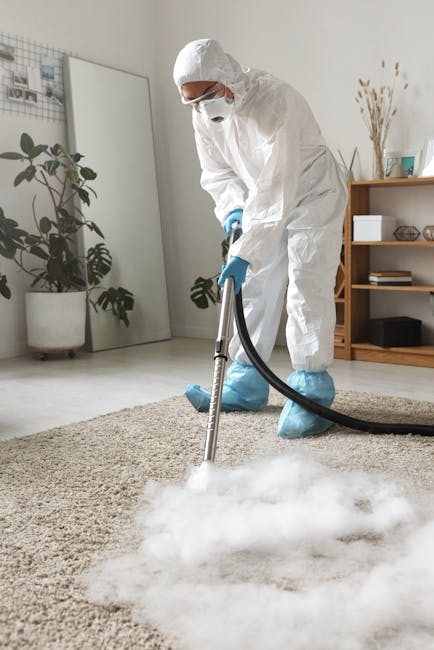
Chelsea Harbour rug cleaning and hand wash service local guide
If you own a rug in Chelsea Harbour, you already know the problem: it looks beautiful until day-to-day life gets to work on it. Mud near the doorway, a drink spill after guests leave, pet odours that seem to drift back on damp days, and that slow, dull flattening that appears in busy rooms. This Chelsea Harbour rug cleaning and hand wash service local guide is here to make the whole thing less confusing and a lot more practical. You will see what hand washing involves, when it is the right choice, what can go wrong, and how to judge a service properly before anyone lifts a fibre.
Rugs are not just smaller carpets. To be fair, they can be more awkward. They may use delicate wool, silk blends, natural dyes, fringe, latex backing, or a weave that reacts badly to heat and aggressive moisture. A sensible cleaning plan matters. And if your rug lives in a high-footfall flat, a waterside apartment, or a family home where life is always a bit busy, the difference between a careful clean and a careless one is not subtle.
This guide walks through the process in plain English, with enough detail to help you make a good decision without turning into a textile conservator overnight. That said, you do not need to know every fibre type by heart. You just need to know what to ask, what to avoid, and what a trustworthy rug hand wash service should be doing behind the scenes.
Table of Contents
- Why Chelsea Harbour rug cleaning and hand wash service local guide Matters
- How Chelsea Harbour rug cleaning and hand wash service local guide Works
- Key Benefits and Practical Advantages
- Who This Is For and When It Makes Sense
- Step-by-Step Guidance
- Expert Tips for Better Results
- Common Mistakes to Avoid
- Tools, Resources and Recommendations
- Law, Compliance, Standards, or Best Practice
- Options, Methods, or Comparison Table
- Case Study or Real-World Example
- Practical Checklist
- Conclusion
- Frequently Asked Questions
Why Chelsea Harbour rug cleaning and hand wash service local guide Matters
Chelsea Harbour is a place where interiors tend to be intentional. People choose statement rugs for colour, texture, and warmth, not because they fancy another floor covering to vacuum on a Saturday. Which is exactly why rug care here needs a little more thought than a quick once-over with the machine.
A rug can hold onto soil in layers. The top fibres trap dust, grit, and hair, while the deeper structure catches spills, pollen, cooking residue, and the sort of invisible grime you only notice when the sun hits it at 4pm. If you ignore that build-up, the fibres start looking tired before the rug is truly worn. Hand washing helps because it gives the technician more control over moisture, pH, agitation, and rinsing. That matters especially for delicate or valuable pieces.
Local relevance also matters in a practical sense. In a riverside or densely lived-in London setting, rugs are often exposed to moisture brought in on shoes, frequent entertaining, and tight living spaces where drying conditions can be tricky. A careful hand wash service should account for all of that. It is not just about making a rug clean; it is about making it clean without creating shrinkage, colour bleed, rippling, or that slightly sour after-smell that can happen when drying is rushed. Nobody wants that.
If you are comparing professional options, it helps to look at the broader service picture too. A company that handles rug cleaning alongside specialist stain removal and pet stain and odour removal is usually better placed to deal with mixed problems rather than just one obvious mark.
Expert summary: Hand washing is not automatically "better" than every other method, but for many rugs it is the safest and most controlled way to clean properly. The right choice depends on fibre, dye stability, backing, size, and how the rug has been used.
How Chelsea Harbour rug cleaning and hand wash service local guide Works
A proper rug hand wash service is usually a staged process, not one single wash. That is a good thing. It reduces risk and gives the cleaner opportunities to spot problems early, before water makes them worse.
1. Inspection and fibre identification
The technician should first check what the rug is made from. Wool, cotton, silk, jute, viscose, synthetic blends, and handmade weaves all behave differently. A wool rug can often cope with careful immersion or controlled wash methods, while viscose may require a much gentler approach because it can distort or lose texture if handled roughly. Fringe, dye, wear pattern, and backing condition all matter too.
2. Dry soil removal
This is the part people underestimate. Dry grit is abrasive. If you start washing before removing it, you can rub it deeper into the pile and create needless wear. A good service will dust, beat, vacuum, or otherwise remove loose debris before any moisture goes near the rug. It sounds unglamorous, but it is absolutely worth doing.
3. Spot testing
Before any full clean, a cleaner should test for dye stability and check how the rug responds to the chosen solution. That test is a basic sign of care. Skipping it is one of those things that seems minor until a red border starts wandering across a cream field. Not ideal.
4. Controlled hand washing
Hand washing can mean different things in practice. For some rugs it means a gentle wash on a flat surface using soft tools, balanced cleaning solutions, and measured rinsing. For others it means more focused hand treatment around soiled zones, with minimal saturation. The point is control. Not just water. Control.
5. Rinsing and moisture management
Cleaning residue left in the fibres can attract dirt later, so rinsing matters. The drying stage matters even more. Skilled rug care is as much about what happens after the wash as the wash itself. Water must be removed evenly so the rug dries without browning, curling, or developing a musty smell.
6. Finishing and grooming
Once dry, the pile is often reset, fringes are straightened, and the rug is checked again for any remaining marks or areas that need a second pass. This final look matters because some issues only show once the fibres are dry and back in normal light. Morning light on a clean rug can be very revealing, oddly enough.
For rugs that sit beside sofas, dining areas, or bedroom seating, combining rug care with upholstery cleaning or sofa cleaning can be practical. It gives the room a more even refresh instead of cleaning one item and leaving everything else still looking dull.
Key Benefits and Practical Advantages
There are obvious benefits to a clean rug. There are also a few quieter ones that people notice only after the job is done and the room feels fresher. Here is the real value.
- Better appearance: colours look clearer, pile patterns return, and tired fibres regain contrast.
- Improved texture: a well-cleaned rug often feels softer and more balanced underfoot.
- Odour reduction: spills, pets, and trapped moisture smells can be reduced properly rather than masked.
- Longer usable life: removing abrasive grit helps preserve fibres and backing.
- Safer treatment for delicate pieces: hand washing offers more control than heavy machine agitation.
- Better stain handling: a targeted service can treat specific spots without over-wetting the whole rug.
- Room-wide improvement: when a rug is fresh, the whole room usually feels cleaner. Simple as that.
There is also a practical benefit that people do not always mention. A clean rug makes it easier to assess the rest of the interior. You can see whether a room genuinely needs extra work elsewhere, such as curtains or mattresses, or whether the rug was simply the main source of the stale feeling. Sometimes the rug has been doing more than its fair share.
Who This Is For and When It Makes Sense
This service makes sense for more people than you might think. It is not only for expensive antique rugs or designer pieces. In Chelsea Harbour, it is often the right choice for everyday households too, especially where the rug is part of a styled living area and not just a practical floor runner.
It is especially useful if you have:
- a wool, silk, wool-silk blend, or handmade rug
- visible stains from food, drink, ink, mud, or pet accidents
- persistent odours that survive normal vacuuming
- fading traffic lanes or flattened pile
- a rug with fringe damage or fragile edges
- recent water exposure or a suspicious damp patch
- a rug that sheds, bleeds, or seems sensitive to cleaning sprays
It makes sense when:
- the rug has not been professionally cleaned for a long time
- the room is used daily and gets foot traffic from outdoors
- you are preparing for guests, a property move, or an interior refresh
- you want to maintain a valuable rug rather than replace it too soon
A small note from real-world practice: the right time is often before the rug looks dreadful. People wait until the problem is dramatic. By then, stains have set, fibres are tired, and the clean has to work harder. If you can see the change from two metres away, you probably waited a bit too long.
For homes where pets are part of the story, it may also be sensible to look at pet stain and odour removal alongside rug cleaning. Pet-related issues can be sneaky; the mark may be small, but the smell lingers in the fibres like it pays rent.
Step-by-Step Guidance
If you are arranging a rug hand wash service, here is a straightforward way to think about the process from start to finish.
- Identify the rug type. Check labels if present, but do not rely on them alone. Handmade rugs and older pieces may not be labelled clearly.
- Inspect the damage. Look for stains, wear, colour transfer, loose threads, frayed fringes, or unusual odours.
- Remove dry soil. Vacuum gently and consider both sides where appropriate, especially if the rug has been sitting in one place for years.
- Ask for a test clean. Dye stability and fibre response should be checked first.
- Choose the right cleaning method. Full immersion is not always appropriate. Sometimes a controlled surface wash is better.
- Rinse thoroughly. Cleaning residue should not be left behind.
- Dry with care. Even airflow, correct positioning, and adequate time are key.
- Inspect after drying. The finished rug should be checked for remaining spots, texture issues, or colour movement.
That sequence sounds basic, but the quality sits in the details. For example, a cleaner may adjust water temperature, product strength, and dwell time depending on the rug's condition. There is no one-size-fits-all answer, and anyone who pretends otherwise is probably simplifying too much.
If the rug is being cleaned as part of a wider home refresh, it may be worth pairing it with carpet cleaning or steam carpet cleaning elsewhere in the property. Not because every room must match, but because dust and residue move around more than people expect.
Expert Tips for Better Results
These are the small things that make a noticeable difference. Not glamorous, but useful.
- Do not scrub stains hard. Blot first. Scrubbing pushes soil deeper and can damage pile direction.
- Move the rug away from direct sunlight after cleaning. Drying should be steady, not baked.
- Use underlay where suitable. It can reduce slip, help airflow, and limit wear.
- Rotate the rug occasionally. This spreads foot traffic more evenly, especially in long living spaces.
- Tell the cleaner about previous spot treatments. Leftover DIY products can react badly with professional solutions.
- Act quickly on spills. The first hour is often more important than the first week.
- Be honest about the rug's condition. If it has already been repaired, relined, or re-dyed, that changes the clean.
A good local service should talk plainly about limitations. If a stain has permanently changed the dye, it may improve but not disappear. If the fringe is fragile, it may need careful handling rather than aggressive finishing. That honesty is a positive sign, not a drawback.
And yes, sometimes the best expert tip is the boring one: keep a little routine care going between deep cleans. A ten-minute vacuum done properly beats a frantic hour with the nozzle in the wrong place. Your back will thank you too.
Common Mistakes to Avoid
Most rug damage during cleaning comes from avoidable errors. The tricky part is that the mistake can look harmless at first.
- Using too much water: over-wetting can lead to rippling, colour run, or slow drying.
- Assuming every rug can be steam cleaned: heat and moisture are not ideal for all fibres.
- Skipping the dust removal stage: gritty soil turns into abrasion.
- Testing one tiny area and assuming the rest is fine: rugs can vary across the weave, especially handmade pieces.
- Using supermarket spot removers repeatedly: these can leave residue or set stains further.
- Ignoring odour as a sign of trapped moisture: that smell means something needs attention, not masking.
- Putting the rug back too soon: if it still feels damp underneath, patience is the better move.
One of the more frustrating problems is dye migration. A bright border or motif can bleed into a pale field if the method is too harsh or the rug is already unstable. This is why a careful, test-led hand wash service is worth considering. Better safe than stylishly ruined.
Tools, Resources and Recommendations
You do not need a warehouse of specialist kit to care about your rug properly. But a few sensible tools and service qualities should be on your radar.
Helpful household tools
- a vacuum with adjustable suction
- a soft brush attachment
- clean white cloths for blotting spills
- a rug underlay if the floor type suits it
- fans or good ventilation for drying after any spill
What to look for in a provider
- clear explanation of how they handle delicate fibres
- proper inspection before cleaning
- appropriate insurance and safety awareness
- transparent pricing and quote process
- careful drying and aftercare guidance
- a complaints process and clear terms if something does not go to plan
For peace of mind, it helps when a company is open about the basics: pricing and quotes, insurance and safety, and the practical terms that shape the job, such as terms and conditions. Those pages are not exciting reading, granted, but they do tell you how seriously a company takes the job.
If you care about responsible disposal, low-waste practice, or safer product choices, it is also worth checking a company's approach to recycling and sustainability. That does not mean every clean is "eco" by default, but it does show whether the business thinks beyond the immediate result.
Law, Compliance, Standards, or Best Practice
Rug cleaning is not a highly regulated trade in the same way as some safety-critical industries, but there are still important expectations around safe working, honest descriptions, and fair customer treatment. In the UK, best practice usually means using suitable cleaning chemicals, handling them safely, taking reasonable precautions against slips and moisture damage, and being clear about what a service can and cannot do.
If a cleaner is working in a customer's home, they should also act responsibly with access, equipment handling, and any areas that may become slippery during drying. Good service is not just about the result; it is about avoiding avoidable risk on the way to that result. That is where practical policies matter. A provider that publishes a health and safety policy and explains its approach to complaints can give you more confidence than one that hides everything behind vague promises.
Data handling is another quiet issue. If you request a quote, share contact details, or make an online enquiry, your information should be handled in line with proper privacy practices. It is sensible to review the company's privacy policy and cookie policy so you know what is happening with your details. Nothing dramatic, just sensible housekeeping.
Accessibility is worth mentioning too. If you need a service page or contact route that is easier to use, a visible accessibility statement is a good sign that the business has made at least some effort to welcome a wider range of users.
Options, Methods, or Comparison Table
Not every rug needs the same approach. The table below gives a practical comparison of common methods, using plain language rather than jargon.
| Method | Best for | Pros | Watch-outs |
|---|---|---|---|
| Hand wash service | Delicate, handmade, wool, or dyed rugs | High control, careful stain management, safer for sensitive fibres | Takes longer; not every stain disappears completely |
| Machine-heavy cleaning | Robust synthetic rugs | Fast and efficient for durable pieces | Can be too harsh for fragile materials |
| Dry spot treatment | Small localised marks | Low moisture, useful for quick targeting | May not address embedded dirt or odour |
| Steam-based cleaning | Some carpeted areas and certain durable textiles | Good for general refresh where fibre allows it | Not suitable for all rugs, especially delicate ones |
The main takeaway is simple: the best method depends on the rug, not the other way around. That is why a service that also understands nearby soft furnishings, such as curtain cleaning or mattress cleaning, often has a broader sense of how different materials react in the home.
Case Study or Real-World Example
Here is a realistic example. A Chelsea Harbour household has a medium-sized wool rug in the living room. It sits under a coffee table, gets daily foot traffic, and has one old tea mark near the edge plus a faint pet odour after a rainy winter. Nothing dramatic at first glance, but enough to make the room feel slightly off.
A good hand wash approach would start with dust removal and a test for dye stability. The tea stain might need targeted treatment before the full wash. The odour issue would be handled through proper cleaning and rinsing rather than just fragrance. Once dry, the pile would be lifted and the rug inspected in natural light. In this kind of case, the rug does not need to look brand new to be a success. It just needs to look and smell like itself again, properly cared for.
Now imagine the same rug had been cleaned quickly with a lot of water and not dried evenly. You might end up with a tide mark, a stiff patch, or curling at the edges. So yes, the slow route is often the sensible one. Bit dull. Very effective.
Practical Checklist
Use this checklist before booking or approving a rug hand wash service.
- Have I identified the rug material as best I can?
- Do I know whether the rug has any old repairs, dye issues, or fragile areas?
- Has the provider explained how they inspect and test before washing?
- Have I mentioned every stain, spill, pet accident, or previous DIY treatment?
- Do I understand how long drying may take?
- Has the provider been clear about what can be improved and what may remain?
- Have I checked practical service details such as pricing, safety, and terms?
- Do I know what aftercare the rug needs once it is back in place?
- Will I keep the rug in a spot with better airflow while it settles?
If you can tick those off, you are in a much better position than the average rush-booking customer. Not perfect, but properly informed. That counts.
Conclusion
Chelsea Harbour rug cleaning and hand wash service local guide is really about choosing care over guesswork. Rugs can be resilient, but they are also personal items. They shape a room, soften noise, and quietly hold the story of everyday life. When they are cleaned well, the whole space feels calmer and better looked after.
The best approach is usually the one that respects the fibre, the dye, and the drying stage. Ask about the method. Ask about the risks. Ask what happens if a stain is stubborn or if the rug needs a gentler touch. A thoughtful provider should answer those questions plainly, without puff or pressure.
If your rug has lost its brightness, feels flat, or needs a proper refresh after a busy season, now is a good time to act. A careful clean is often far more satisfying than waiting until the damage becomes obvious. And honestly, there is something quietly uplifting about seeing a favourite rug come back to life. It makes the room feel like yours again.
Get a free quote today and see how much you can save.
When you are ready, a calm, well-planned clean can make the whole place feel more settled. A small thing, perhaps. But in a home, small things matter.
Frequently Asked Questions
What is the difference between rug cleaning and a hand wash service?
Rug cleaning is the broader term. A hand wash service is a more controlled method within rug cleaning, usually chosen for delicate, valuable, or sensitive rugs. It gives the cleaner more control over moisture, agitation, and rinsing.
Is hand washing always better than steam cleaning for rugs?
No. Hand washing is often safer for fragile or handmade rugs, but some durable synthetic rugs can cope with other methods. The right choice depends on the material, dye stability, and construction.
How long does a rug hand wash service usually take?
It depends on the rug size, soil level, drying conditions, and fibre type. Cleaning itself may not take long, but proper drying can take considerably longer. Rushing this stage is where problems start.
Can old stains really be removed from rugs?
Sometimes yes, sometimes only partly. Fresh stains are usually easier. Old stains may have changed the fibre or dye, which means improvement is possible even when full removal is not. Honest expectations help here.
Will my rug shrink during cleaning?
It can happen if the rug is over-wet, dried too quickly, or cleaned using the wrong method. A careful hand wash service should reduce that risk by testing first and managing moisture properly.
What should I do before booking a rug cleaner?
Check the rug type if you can, note any stains or odours, and mention any previous DIY products you used. It also helps to ask how the company handles delicate fibres, pricing, and aftercare.
Are pet odours removable from rugs?
They can often be reduced a great deal, especially if treated properly and not left too long. If the odour has reached the backing or underlay, the service may need to go deeper than the surface fibres.
How often should a rug be professionally cleaned?
There is no single rule. High-use rugs may need attention more often than decorative ones. A good guide is to clean before the rug looks severely soiled, because embedded grit is easier to prevent than remove.
Can I clean a valuable rug at home?
You can do basic care at home, like vacuuming gently and blotting spills. But for a valuable, antique, handmade, or unstable rug, a professional hand wash is usually the safer route.
Why does a rug sometimes smell worse after being cleaned?
Usually because moisture was trapped or the rug dried too slowly. That can happen if the cleaning was too wet or the drying conditions were poor. Proper airflow and careful extraction matter a lot.
Should I move furniture off the rug before cleaning?
Yes, if possible. It makes inspection easier and helps the cleaner work evenly across the whole surface. Even a small coffee table can hide a surprising amount of wear.
How do I know if a rug cleaner is trustworthy?
Look for clear explanations, sensible safety information, transparent terms, and realistic promises. If a provider says every rug will look perfect no matter what, that is a red flag. Careful, honest guidance is usually the better sign.
For related home cleaning needs, you may also want to explore commercial carpet cleaning for workspaces or about us to understand the company behind the service. And if you ever need to raise an issue, a clear complaints procedure is worth knowing about before you need it.